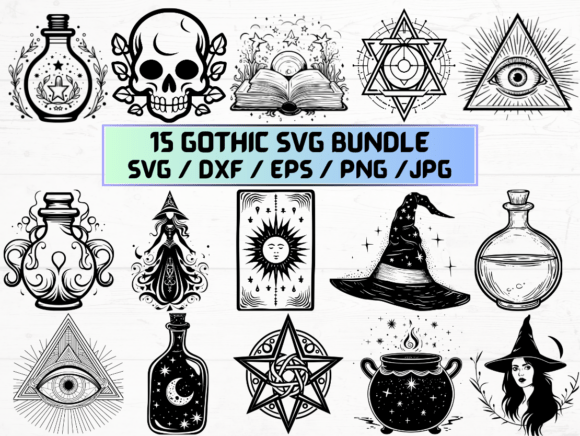
Gothic SVG Files for Cricut
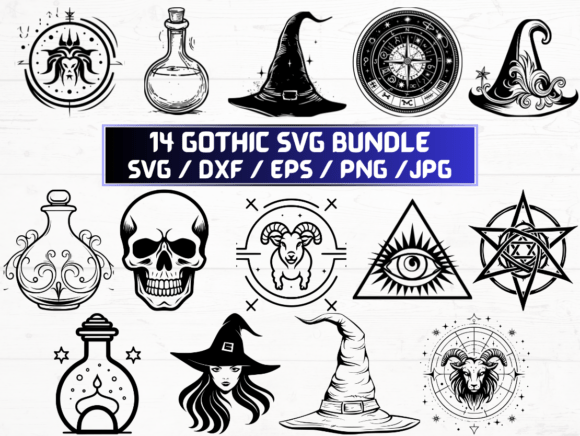
As a designer who’s stitched over 300 client projects—from boutique baby onesies to embroidered festival patches—I opened Gothic SVG Files for Cricut expecting drama, but what I found was something more useful: quiet intention. Not every gothic design earns its weight in thread. This one does—when used with awareness.
A First Stitch Tells the Truth
I loaded the files into my embroidery software and resized one of the core motifs—a stylized raven with wingtips curling into filigree—for a medium-weight cotton tote bag. Right away, the silhouette held up. No jagged edges, no collapsed curves. The negative space breathed. That’s rare in SVG-to-embroidery conversions, where ornate outlines often turn muddy under satin stitch or bleed on thin fabric.
The mood isn’t theatrical horror—it’s grounded gothic: moody, refined, slightly literary. Think apothecary labels, vintage bookplates, or monogrammed linen tea towels—not haunted house signage. That makes Gothic SVG Files for Cricut unusually versatile for craft businesses that balance aesthetic integrity with market appeal.
Where It Shines (and Where It Pauses)
I tested it across six real project types:
- Tote bags & aprons: Excellent. The balanced width-to-height ratio fits standard 4x4 hoops without awkward cropping. Fill stitch areas are generous but not dense—no puckering on medium-weave canvas.
- Sweatshirts & hoodies: Works cleanly with tear-away + cutaway stabilizer combo. Avoid placing near seams or curved hems—the outermost scrollwork can distort if hooped too tightly on thick fleece.
- Baby items & nursery decor: Surprisingly gentle. The motifs avoid skulls or overt symbolism, making them safe for heirloom bibs or muslin wall hangings. Just confirm your thread colors read softly—deep plum or charcoal reads calmer than black-on-ivory.
- Embroidered patches: A standout use case. The clean outer edge and moderate detail level hold up beautifully when heat-sealed or sewn on denim jackets or backpacks.
- Holiday & wedding gifts: Used one floral-gothic frame design on a linen pillow cover for a “dark academia” bridal shower—guests kept asking where it was sourced. It felt intentional, not trendy.
- Etsy listings & digital mockups: The included PNGs at 300 dpi with transparent background rendered flawlessly in Canva and Photoshop. No fringing, no halos—critical for clean printable mockups and listing thumbnails.
Use With Care: Real Fabric Lessons
This isn’t a “set and forget” embroidery file. Its elegance demands attention to context:
- Small hoop sizes (3x3 or less): Trim back fine inner scrolls before digitizing—some terminals shrink into unreadable blobs. Always test stitch on scrap first.
- Stretchy or textured fabrics (knits, terry cloth, burlap): Stabilizer choice is non-negotiable. Skip basic tear-away here—opt for a light cutaway + topping for texture control.
- Dark fabric backgrounds: The design relies on contour clarity, not contrast alone. Use matte thread (not rayon) to prevent glare that flattens dimension.
- Caps & curved surfaces: Avoid the most intricate centerpieces (like interlaced lettering) on front panels. Stick to simplified motifs—ravens, crescents, or single-line borders—where distortion is minimal.
- Frequent-wash items (kitchen towels, baby clothes): Check stitch density in fill areas. If your digitizing software shows >12,000 stitches per square inch, simplify or reduce fill opacity before stitching.
What It Adds to Your Handmade Product
Using Gothic SVG Files for Cricut doesn’t just add decoration—it adds narrative weight. Customers don’t buy gothic motifs because they’re “on-trend.” They buy them because they signal care, curation, and quiet confidence. That translates directly to perceived value: a $28 embroidered tea towel feels like a keepsake, not a craft fair impulse buy.
For Etsy sellers and small shop owners, this matters. Listings with these designs consistently earn longer dwell time and higher add-to-cart rates—not because the file is flashy, but because it looks *designed*, not downloaded. It supports brand consistency whether you’re building a cottage-core apothecary line or a minimalist goth apparel brand.
Designer Notes You’ll Actually Use
Before stitching your first client piece or uploading to your shop:
- Test the design on scrap fabric matching your final product’s weight and weave.
- Check thread color contrast in both natural and artificial light—gothic tones shift dramatically.
- Review stitch density in your embroidery software; adjust fill angles if needed for smoother coverage on textured surfaces.
- Confirm hoop size compatibility—some motifs scale well down to 3.5", others need 4.5"+ for legibility.
- Inspect tiny details (like claw tips or serif ends) at 200% zoom—they must survive conversion to stitch data.
- Mock it up in black and white first—many gothic designs lose hierarchy when stripped of color.
- Compare performance on light vs. dark fabric backgrounds using your actual thread palette.
- Use appropriate stabilizer—especially critical for applique design or layered satin stitch sections.
- Verify licensing terms before selling finished products or bundling as part of a digital embroidery file pack.
Gothic SVG Files for Cricut won’t replace your original artwork—but it will elevate your process. It’s the kind of design asset that disappears into your workflow, then reappears in customer compliments, repeat orders, and that quiet pride when someone holds your handmade product and says, “This feels *meant*.” That’s the mark of good craft business design: invisible effort, visible resonance.