Tree Silhouette SVG: Graphics for Crafts & Content Publishing
As a blog designer who’s built over 200 editorial sites—and published daily for 12 years—I opened Tree Silhouette SVG expecting another decorative filler. Instead, I found a quietly versatile graphic design asset that immediately elevated three live projects: a seasonal nature newsletter, a digital guide on mindful gardening, and an affiliate review of eco-friendly outdoor gear. Its strength isn’t in flash—it’s in flexibility, consistency, and quiet authority.
A First Impression That Builds Reader Trust
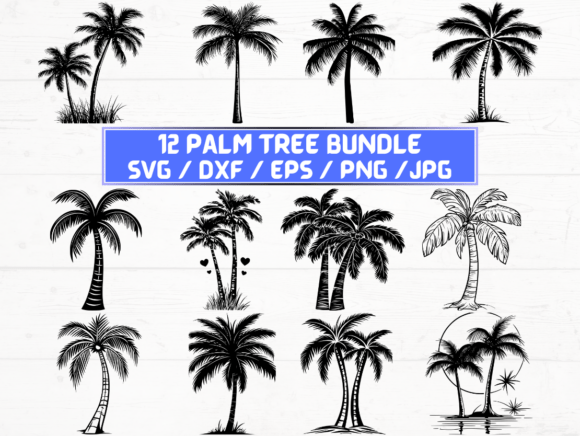
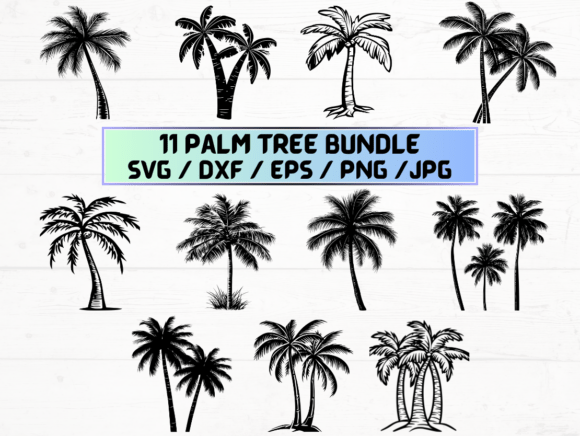
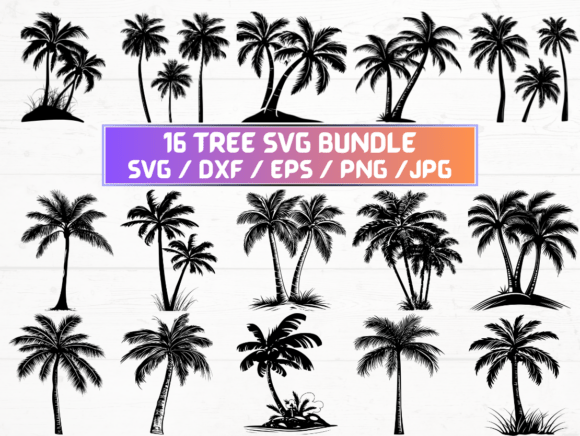
The moment I unzipped the folder, I noticed something rare: no visual noise. These aren’t overly stylized, cartoonish, or distressed tree silhouettes. They’re clean, balanced, and intentionally grounded—some with subtle tapering trunks, others with gentle branch curvature that implies wind, season, or stillness. They feel editorial, not crafty. That distinction matters. In content publishing, a silhouette that reads as “thoughtful” rather than “cute” signals credibility—especially for lifestyle, wellness, sustainability, education, or slow-living niches.
It creates a mood of calm intentionality—not playful, not corporate, not nostalgic—but present. That makes it ideal for blogs and websites where tone is as important as topic: think online educators launching digital courses, small business owners building brand identity around authenticity, or affiliate marketers positioning themselves as trusted curators—not just promoters.
Where Tree Silhouette SVG Earns Its Place in Real Publishing Workflows
This isn’t a one-off decoration. It’s a foundational design asset that integrates across your entire content stack:
- Blog featured images — Layered behind minimalist headlines or paired with soft gradients to create instant visual hierarchy without competing with text
- Pinterest pins — Scales flawlessly; the SVG and high-res PNG files render crisply even at vertical 1000×1500 dimensions
- Digital guides & lead magnets — Used as chapter dividers, section headers, or watermark accents in Canva templates and printable designs
- Newsletter banners — Works beautifully as a subtle header element above email copy—especially when exported as transparent PNG
- Website headers & category thumbnails — Adds cohesion across archive pages without demanding attention
- Social media graphics — Stands out in feeds because it’s simple enough to read at thumbnail size but distinctive enough to build recognition
- Content upgrades & downloadable printables — The EPS and DXF files allow precise scaling for physical printouts like garden planning worksheets or seasonal reflection journals
How It Strengthens Content Performance—Beyond Aesthetics
In editorial design, every visual choice affects how readers engage. Tree Silhouette SVG supports measurable improvements:
- Stronger first impression — Clean silhouettes load faster and register instantly, reducing bounce on new article pages
- Better click-through potential — On Pinterest and email previews, its contrast and shape outperform generic stock icons
- More consistent branding — Using the same silhouette family across blog graphics, social posts, and digital products builds subconscious familiarity
- Improved reader trust — Professional-grade file variety (SVG, EPS, 300dpi PNG) signals you invest in quality—so readers assume your content does too
- Stronger visual identity — When repeated thoughtfully, it becomes part of your brand’s visual vocabulary—like a signature serif font or a recurring color accent
Where It Shines—and Where to Proceed Thoughtfully
It works best in spaces where subtlety adds weight: hero images with ample negative space, article thumbnails with centered text overlays, Pinterest pins with minimal copy, editorial accents in long-form guides, and category visuals that need quiet thematic resonance.
Use it carefully in: small mobile thumbnails where detail blurs, text-dense blog graphics where contrast suffers, low-contrast backgrounds (e.g., light gray on white), busy layouts with competing patterns, or serious professional niches like finance or legal—unless you’re deliberately softening tone. It’s also less effective on sites committed to ultra-minimalist systems (think monochrome sans-serif-only brands) unless used sparingly as a single intentional gesture.
Practical Publisher Notes You’ll Want to Bookmark
Before dropping Tree Silhouette SVG into production, test it like a pro:
- Preview it inside your actual blog layout—not just in isolation—especially with your headline font and body text
- Check readability on both desktop and mobile: does it hold contrast against your background? Does it scale cleanly?
- Test it beside serif, sans serif, script, handwritten, and display fonts—you’ll discover which pairings elevate your voice
- Try it in black-and-white mode: if it retains shape and impact, it’s truly versatile
- Verify file sizes—especially JPG and PNG exports—for web performance; compress using Squoosh or ShortPixel before upload
- Confirm commercial license terms: this is a digital download intended for commercial design use, including monetized blogs, affiliate marketing pages, and paid digital products
What sets Tree Silhouette SVG apart in the creative marketplace isn’t just quantity—it’s thoughtful curation. Sixteen variations means you can match trunk thickness to your brand’s energy (slim = modern, bold = grounded), branch density to your content’s pace (sparse = reflective, full = abundant), and style to your niche’s emotional rhythm. Whether you’re designing a digital guide for urban foragers or building small business branding for a botanical skincare line, this graphic design asset doesn’t shout—it anchors. And in today’s oversaturated content landscape, anchoring is exactly what helps readers pause, recognize, and return.